Dead Shows Walking: How Streaming Platforms Became the Second Chance Saloon for Canceled Favorites
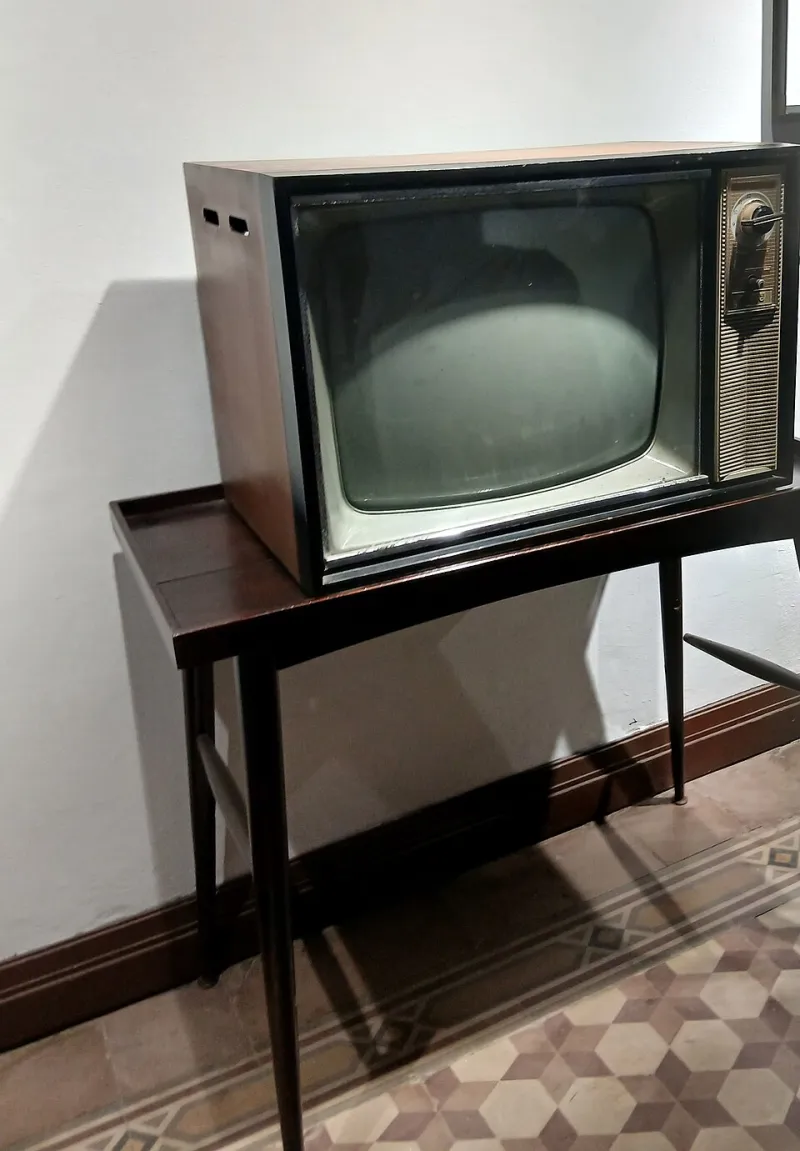
Photo: Naula Ayisabun Aningore, CC BY-SA 4.0, via Wikimedia Commons
There's a specific kind of grief that hits when your favorite show gets canceled. You're mid-season, emotionally invested, and then some network executive decides the ratings don't justify the budget. Credits roll. The story just... stops. For decades, that was it — end of the line, no appeals process.
But something shifted. Quietly at first, then loudly enough that Hollywood started paying attention. Streaming platforms figured out that a canceled show with a passionate fanbase isn't a liability. It's a pre-built audience just waiting to be activated.
The Rescue Business Is Booming
Let's talk about what's actually happening here, because it's more than just nostalgia-driven acquisitions. When a streaming service picks up a canceled series — whether to continue it outright or revive it years later — they're making a calculated bet. The show already has name recognition. It already has Reddit threads, fan wikis, and years of passionate word-of-mouth working in its favor. The marketing practically writes itself.
Consider what happened with Arrested Development, which Fox canceled back in 2006 after three seasons of critical adoration and modest ratings. Netflix brought it back in 2013, nearly a decade later, banking on a fanbase that had never really moved on. Or look at Veronica Mars, a CW cult favorite that died in 2007 and got a Hulu revival in 2019. The fans didn't just watch — they showed up like it was a reunion they'd been planning for years.
More recently, the pattern keeps repeating. Manifest, NBC's supernatural drama, got axed in 2021 after three seasons. Netflix picked it up, dropped a final season, and it became one of the platform's most-watched English-language series at the time. That's not a fluke. That's a formula.
Why Networks Kill What Streaming Can Save
Here's where the economics get interesting. Traditional broadcast and cable networks operate on a pretty unforgiving model. A show needs to pull in massive live viewership numbers, attract advertisers, and ideally appeal to a broad demographic. A series with a devoted but relatively small audience — say, a few million passionate viewers — doesn't move the needle enough. It gets cut.
Streaming platforms work on an entirely different math. They're not selling ad slots; they're selling subscriptions. A canceled cult show with five million deeply loyal fans is worth a lot when each of those fans might sign up — or stay subscribed — specifically to watch that resurrection. You don't need everyone to care. You just need the right people to care enough.
That's a fundamental shift in how "success" gets defined. Niche programming that would've been a death sentence on ABC in 2010 can be a genuine win for a platform trying to differentiate its catalog and reduce churn.
What Makes a Show Worth Digging Up?
Not every canceled series deserves a second life, and not every revival lands. So what separates a Manifest from a show that just quietly disappears from the cultural conversation?
A few things tend to matter. First, unresolved storylines. Shows that ended on cliffhangers or mid-arc create a specific itch that fans can't scratch elsewhere. That frustration is fuel. Second, the fandom has to stay active — not just nostalgic, but genuinely vocal and organized. If people are still making fan edits and debating plot theories years after cancellation, that's a signal.
Third — and this is underrated — the show's core concept needs to age well. Some series feel very locked in their moment. Others have a premise or characters that feel timeless, or even more relevant now than when they aired. Those are the ones that translate.
There's also the streaming era's obsession with IP. Original content is expensive and risky. An established property, even a canceled one, comes with built-in story architecture and audience awareness. It's a head start.
The Risks Nobody Talks About Enough
Revival culture isn't all good news, though. There's a real danger in over-promising to a fanbase that's been waiting years. When a resurrection doesn't stick the landing — and some don't — it can actually damage the legacy of the original. Fans who were happy preserving their memories of a beloved show sometimes walk away from a revival feeling like the whole thing was tarnished.
There's also the creative challenge of reassembling the pieces. Cast members move on, age, get busy with other projects. Showrunners have evolved. The cultural context that made a show resonate in 2005 might be completely different in 2024. Capturing lightning in a bottle twice is genuinely hard.
And yet, when it works, it really works. The audience goodwill is enormous. The press coverage is built in. And streaming platforms get to position themselves as the place where great stories don't just die — they get finished.
What This Means for How We Watch
For viewers, this trend is mostly great news. The old model demanded you mourn canceled shows in silence. The new model says your loyalty actually has leverage. Fanbases that organize, campaign, and make noise online are increasingly influencing which shows get a second shot. That's a genuinely different relationship between audience and platform than anything that existed in the broadcast era.
For creators, it's complicated but ultimately liberating. The idea that a show can be canceled and still reach its intended ending — years later, on a different platform, for a different distributor — changes the risk calculus of making ambitious, niche-friendly television.
Streaming didn't just change how we watch. It changed what counts as over.