All at Once and Gone Forever: The Case Against the Full-Season Drop

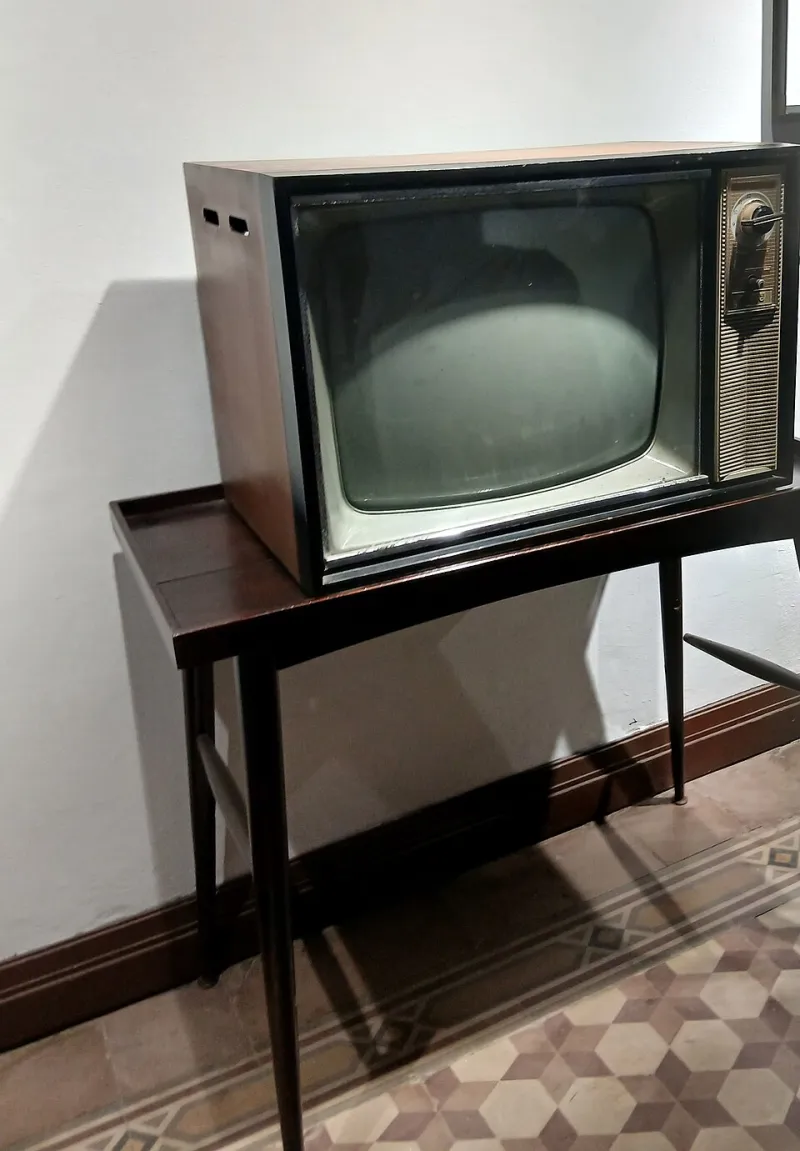
Photo: SFC Peter P. Ruplenas, Public domain, via Wikimedia Commons
There was a time when "all episodes available now" felt like the most exciting sentence in entertainment. No waiting. No commercials. No cliff-hanger anxiety stretching across seven agonizing days. Just you, your couch, and an entire season of prestige television ready to devour in a single weekend.
But somewhere between that first glorious Netflix binge and the current streaming landscape — where dozens of platforms are each dropping full seasons every other week — something broke. The magic curdled. And a growing number of industry voices are starting to ask a question that would have sounded almost heretical five years ago: what if the binge drop is actually bad for streaming?
The Water Cooler Is Bone Dry
Cast your mind back to the era of appointment television. "Lost." "Breaking Bad." "The Sopranos." These weren't just shows — they were weekly communal events. You watched Sunday night, spent Monday dissecting every detail with your coworkers, and spent the rest of the week building theories about what was coming next. The anticipation was part of the product.
Streaming's all-at-once model obliterated that rhythm. When a full season drops on a Friday, you get roughly 72 hours of genuine cultural noise before the conversation splinters. Early adopters are already finished. Casual viewers are on episode three. People who haven't started yet are already feeling spoiled by social media. Within two weeks, the window has closed — and the show effectively ceases to exist as a shared cultural experience.
That's not a theory. Look at the data. Netflix's own metrics have repeatedly shown that viewer engagement craters after the first two weeks of a major release. A show can rack up tens of millions of hours watched in its debut weekend and still feel invisible by the time awards season rolls around. "Impressive launch numbers" and "lasting cultural impact" have become two very different things.
Fandoms Can't Breathe at Sprint Speed
Here's something the binge model doesn't account for: real fan communities take time to form. The Reddit threads, the fan theories, the TikTok recaps, the podcast breakdowns — all of that ecosystem needs space to grow. When a season is consumed and discarded in a single weekend, there's no oxygen left for that community infrastructure to develop.
Contrast that with what happened when HBO dropped "The Last of Us" on a weekly schedule. The show became a genuine weekly ritual for millions of viewers. Each episode generated its own news cycle. The discourse around specific moments — particularly that devastating third episode — lasted for weeks, not hours. The result wasn't just a hit show. It was a cultural phenomenon with a fanbase that showed up and stayed engaged across the entire run.
Weekly release isn't nostalgia for its own sake. It's an architecture for community.
Platforms Are Starting to Notice
The industry is quietly course-correcting, even if nobody wants to admit it out loud. Amazon Prime Video has experimented with hybrid models, dropping a handful of episodes at launch before switching to weekly releases. Disney+ has largely committed to weekly drops for its Marvel and Star Wars properties — and the results speak for themselves. The discourse around "Andor," "Loki," and "Ahsoka" sustained itself week over week in ways that full-season dumps simply can't replicate.
Netflix, long the most committed defender of the binge model, has started quietly testing weekly releases on select titles. It's a small shift, but it signals an acknowledgment that the "dump and disappear" strategy has real limitations — especially when subscriber retention depends on keeping people engaged between major launches, not just during them.
The Loyalty Problem Nobody Wants to Talk About
Here's the uncomfortable truth at the center of this conversation: binge-dropping a season trains audiences to treat a show as a consumable product rather than an ongoing relationship. You finish it, you move on, you forget about it. There's no reason to stay subscribed to a platform for a show you already finished in a weekend.
Weekly releases, on the other hand, create a reason to keep coming back. They transform passive viewers into active participants. They give marketing teams something to work with beyond a single launch push. And crucially, they give platforms a sustained engagement window that actually supports subscriber retention — which is, ultimately, the only metric that matters.
The streaming wars have entered a phase where raw subscriber numbers matter less than how deeply those subscribers are actually engaged. In that environment, a show that generates passionate weekly conversation for three months is worth far more than a show that scores a massive opening weekend and then vanishes.
So What's the Fix?
Nobody's suggesting every show should go back to a strict weekly schedule. There's a reasonable argument that certain formats — limited series, documentary features, standalone films — work perfectly well as full drops. But for serialized dramas and comedies that depend on character investment and ongoing narrative tension, the weekly model isn't just a nostalgic quirk. It's a strategic advantage.
The platforms that figure this out first will have a genuine edge. Building a show's audience is one thing. Keeping that audience loyal enough to stick around, subscribe through a slow content month, and genuinely evangelize a series to their friends? That requires time, rhythm, and a release strategy that treats viewers as participants rather than consumers.
The binge drop gave streaming its identity. But identity isn't the same as sustainability. The smartest move platforms can make right now might be learning when to slow down — and trusting that their audiences will actually show up week after week if given the chance.
Bold streaming doesn't always mean fastest. Sometimes it means building something worth waiting for.