Something Old, Something Streamed: How Platforms Are Selling Recycled Stories as the Next Big Thing

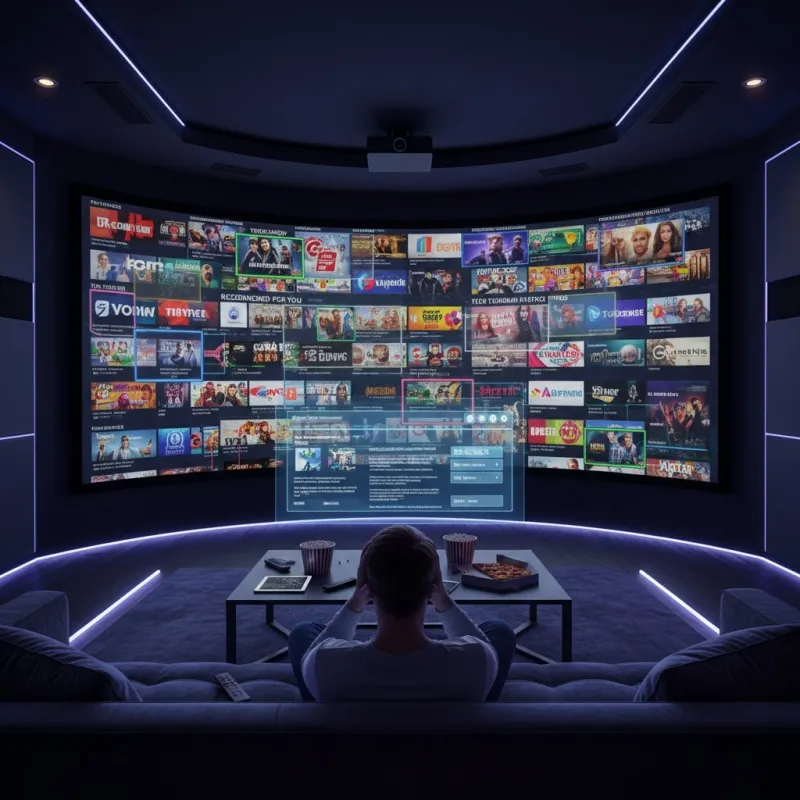
Photo by Photo by Markus Spiske on Unsplash on Unsplash
Every few months, a streaming platform drops a trailer for what it breathlessly calls an "original series" — something fresh, something daring, something you've never seen before. The marketing machine kicks into gear. Think pieces get written. Social media lights up. And then, somewhere in a comment section, someone quietly points out that the whole thing is based on a Swedish miniseries from 2009 that maybe 40,000 people watched.
Welcome to the remake paradox.
Streaming's identity has always been built on the promise of originality. Netflix, Hulu, Amazon, and the rest didn't just want to distribute content — they wanted to create it, to be the place where bold new voices and wild new ideas found a home. That narrative still dominates the press releases. But spend an afternoon digging through the actual development slates, and a very different picture starts to emerge.
The Numbers Don't Lie (But the Marketing Does)
A 2023 analysis of the top 50 most-watched streaming originals in the US found that more than 60 percent were adaptations of pre-existing material — novels, foreign-language series, old films, comic books, or previously aired TV pilots that never got a full run. That's not a small footnote. That's the majority of what we're calling "original."
The term has essentially been stretched to mean "we paid to make it ourselves" rather than "we invented it from scratch." And honestly? That's a pretty significant semantic shift.
None of this is unique to streaming, of course. Hollywood has always recycled. The studio system was built on it. But there's something particularly interesting — maybe even a little ironic — about an industry that positioned itself as the antidote to formulaic network television now running the same playbook, just with bigger budgets and better cinematography.
Mining the Obscure
What streaming has done differently, and genuinely cleverly, is expand the source material pool in ways traditional Hollywood rarely bothered with. Instead of just remaking the obvious stuff — the blockbuster franchises, the beloved sitcoms — platforms have gotten surprisingly adventurous about where they dig.
Scandinavian crime fiction has been a goldmine. Korean thrillers. Argentine dramas. Israeli procedurals. Cult novels that sold 12,000 copies in 1987 and then disappeared. Canceled network pilots that aired once at 10 p.m. on a Tuesday and got pulled before anyone noticed.
In a weird way, streaming has become the world's most well-funded archival rescue operation. Stories that would have stayed buried — too niche, too foreign, too weird for mainstream distribution — are suddenly getting eight-episode runs and global audiences. That's genuinely exciting, even if the platform is turning around and calling it "an all-new original series."
Showrunner conversations around this topic tend to get candid fast. The general sentiment from people working inside these development pipelines is that the word "original" has basically lost meaning as a marketing term. What actually matters, they'll tell you, is whether the execution is original — whether the adaptation brings something new to the material, recontextualizes it, makes it feel urgent for a contemporary audience.
That's a fair defense. And sometimes it's absolutely true.
When the Retread Becomes the Thing
Some of the most celebrated streaming series of the past five years have been adaptations that so thoroughly transformed their source material that the original version became an afterthought. The new show didn't just retell the story — it interrogated it, expanded it, or flipped it completely on its head.
That's adaptation working at its best. The source material becomes a launchpad rather than a blueprint. The showrunner isn't just translating — they're interpreting, and the interpretation is where the real creative work lives.
But then there's the other kind. The adaptation that exists primarily because someone in a development meeting said the words "built-in audience" and everyone nodded. The retread that hits every beat of the original without asking why those beats existed in the first place. The foreign-language series that gets Americanized to the point where all the specific cultural texture — the thing that made the original actually interesting — gets sanded off in favor of something more broadly palatable.
Streaming has produced plenty of both, and audiences are generally pretty good at telling the difference, even if they can't always articulate why one version worked and the other felt hollow.
The IP Safety Net
Here's the uncomfortable business reality underneath all of this: original original content is expensive and risky in ways that adapted content isn't. When you option a beloved novel or acquire the rights to a foreign series that already has a proven audience somewhere in the world, you're buying a kind of insurance policy. The concept has already been tested. Someone has already done the work of figuring out whether the story lands.
For platforms burning through content budgets at eye-watering rates while simultaneously trying to justify subscriber numbers to investors, that insurance policy is genuinely valuable. A completely original premise is a bet on pure creative instinct. An adaptation is a bet on creative instinct plus existing proof of concept.
That calculus explains a lot about why development slates look the way they do. It's not necessarily cynicism — it's risk management dressed up in prestige television clothing.
Does the Label Even Matter?
Here's the question that keeps coming up when you pull on this thread long enough: does any of this actually matter to the person sitting on their couch on a Friday night?
For most viewers, the answer is probably no. If the show is good, the show is good. Nobody watching a gripping thriller in their living room is pausing to feel cheated because the premise originated in a Danish novel. The experience of watching is what it is, regardless of where the story started.
But the label matters to the platforms, which is why it keeps getting applied so liberally. "Original" carries cultural weight. It signals creativity, investment, ambition. It's the thing that justifies the subscription fee and differentiates one service from another. If Netflix admits that 60 percent of its originals are adaptations, the brand story gets a little messier.
So the marketing language stays vague, the trailers emphasize novelty, and the footnote about source material gets buried in the press kit.
The Honest Version of This Conversation
What would it look like if streaming platforms just... dropped the pretense? If the marketing said "we found an incredible story that nobody in America has seen yet, and we made it for you" instead of leaning so hard on the word "original"?
Honestly, that might be a more compelling pitch. There's something genuinely exciting about the idea of a platform as a global story scout — someone whose job is to find the best narratives from everywhere on Earth and bring them to a wider audience. That's a real service. That's worth paying for.
The remake paradox isn't really a paradox at all once you let go of the marketing spin. Streaming is doing something interesting with existing material. Sometimes that something is transformative. Sometimes it's just expensive. The honest conversation is about figuring out which is which — and maybe retiring the word "original" long enough to have it actually mean something again.