Your Streaming App Knows You Better Than Your Therapist — And It's Using That Against You
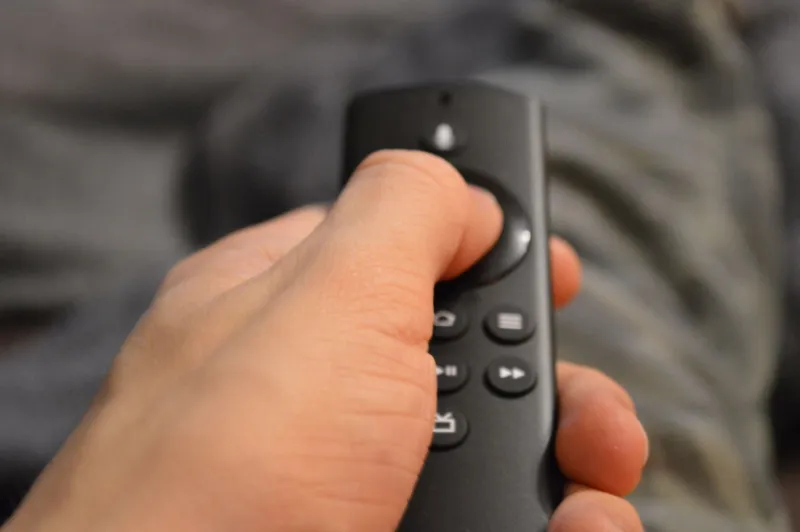
It's 1:47 a.m. on a Wednesday. You have a 9 a.m. meeting. You told yourself you'd watch one episode — just one — and now you're staring at an autoplay countdown that's already at four seconds and your thumb is hovering over the remote with all the conviction of someone who has completely given up on themselves. Sound familiar?
Welcome to the machine. And make no mistake: it is a machine, one that has been calibrated with extraordinary precision to override your better judgment. Here's how it actually works.
The Cliffhanger Is Older Than Netflix, But Netflix Perfected It
Let's start with the obvious one. Cliffhangers aren't a streaming invention — serialized fiction has been deploying them since Charles Dickens was publishing novels in monthly installments and readers were genuinely losing their minds waiting to find out what happened next. But streaming platforms have turbocharged the technique in ways that would make Dickens dizzy.
Traditional TV cliffhangers had a built-in cooling-off period. You had to wait a week, minimum. That gap gave your brain time to process, to metabolize the tension, to decide whether the show was actually worth your ongoing investment. Streaming eliminated that gap entirely. The next episode is right there, and the autoplay function means you have to actively choose not to watch it — which is a psychologically very different proposition than choosing to continue.
"The default matters enormously," explains Dr. Pamela Rhodes, a behavioral psychologist who studies media consumption habits. "When the next episode starts automatically, you're not making a decision to keep watching. You're making a decision to stop. And stopping requires effort. Continuing requires nothing. That asymmetry is doing a lot of work."
Beyond autoplay, modern streaming originals are increasingly structured around what narrative designers call "micro-cliffhangers" — unresolved emotional beats embedded not just at episode endings but within episodes, at the act breaks where traditional TV would have cut to commercials. There's no commercial break to snap you out of the trance. The unresolved tension just carries you forward.
Five Specific Psychological Hooks You've Definitely Felt
1. The Zeigarnik Effect (a.k.a. why unfinished things haunt you) Psychologists have known since the 1920s that humans remember unfinished tasks more vividly than completed ones. Streaming writers exploit this relentlessly by introducing narrative threads that feel urgent and then deliberately leaving them open across multiple episodes. Your brain treats an unresolved storyline like an open browser tab — it sits there consuming mental resources until it's closed.
2. Variable Reward Scheduling This is the slot machine principle, and it's one of the most powerful behavioral conditioning tools ever identified. When rewards are unpredictable — sometimes this episode is incredible, sometimes it's just okay — the behavior of seeking the reward actually intensifies. Binge-watching sessions often follow this exact pattern. Two mediocre episodes and then one that absolutely destroys you emotionally. Your brain keeps chasing the high.
3. Character Attachment Engineering Streaming originals, with their longer episode runtimes and full-season drops, are specifically designed to accelerate intimacy between viewers and characters. You spend more time with a streaming protagonist in a single weekend than you'd spend with a network TV character across an entire season. Neuroscience research suggests that the brain processes deeply familiar fictional characters through some of the same neural pathways it uses for real relationships. That's not an accident.
4. The Sunk Cost Spiral You've watched eight episodes of a show that hasn't fully clicked yet. Are you going to quit now? Probably not. Streaming platforms understand that getting you past a certain investment threshold — usually three to four episodes — dramatically reduces churn. This is why so many streaming originals front-load their most compelling content and why "it gets good around episode four" has become a genuine cultural phrase.
5. Social Currency and FOMO Streaming originals are increasingly designed to generate the kind of cultural conversation that makes not watching feel like a social liability. When your entire office is discussing a show's finale twist on Monday morning, the show has become a social participation requirement. Platforms engineer this deliberately through coordinated marketing, strategic leaks, and timing full-season drops to maximize the "everyone's talking about it" window.
The Algorithm as Behavioral Architect
Beyond the shows themselves, the recommendation systems that surround them are doing psychological work that's even harder to see and therefore harder to resist.
Modern streaming recommendation engines don't just suggest content you might enjoy. They're optimized to suggest content at the exact moment when your engagement is most likely to continue — serving up a familiar comfort show when your watch history suggests you're in a low-energy state, or pushing something new and exciting when your patterns indicate you're in an exploratory mood. The algorithm is reading your behavior in real time and responding to it.
"These systems are essentially practicing a rudimentary form of behavioral therapy on you, except the goal isn't your well-being — it's your continued engagement with the platform," says media critic James Okafor, who writes extensively about the attention economy. "They're getting very good at it."
The data these platforms have is staggering. They know not just what you watch but when you pause, when you rewind, when you switch shows mid-episode, and what time of day you're most susceptible to starting a new series. That data feeds models that can predict, with unsettling accuracy, exactly which piece of content is most likely to keep you on the platform for another two hours tonight.
So Is This Evil, or Just Really Good TV?
Here's where it gets genuinely complicated, and where we'd encourage you to sit with some nuance rather than reach for an easy answer.
The techniques streaming platforms use to keep audiences engaged are, in many cases, just the craft of good storytelling applied with more data and more resources than any previous generation of storytellers had access to. Compelling characters, unresolved tension, emotional investment, the desire to know what happens next — these are the building blocks of every great narrative from Homer to The Sopranos. The fact that streaming platforms have optimized these tools doesn't automatically make them sinister.
At the same time, there's a meaningful difference between a story that earns your compulsive engagement through genuine quality and a content system that's engineered to exploit cognitive vulnerabilities regardless of whether the underlying material deserves your time. Not every show that keeps you watching until 2 a.m. is worth the sleep debt.
The honest answer is probably that it's both, simultaneously, and that the line between bold original storytelling and algorithmic audience capture is blurrier than either streaming platforms or their critics want to admit.
What You Can Actually Do With This
Knowing how the machine works doesn't automatically free you from it — but it does give you something to work with. Media psychologists suggest a few practical approaches: disabling autoplay (it's in every platform's settings, buried but findable), building in deliberate stopping points before you start a session rather than after, and occasionally asking yourself whether you're still watching because you're genuinely enjoying something or because you're just caught in the momentum.
And honestly? Sometimes the answer to that question will be "both, and I'm fine with it." Streaming originals at their best are genuinely extraordinary — ambitious, emotionally resonant, unlike anything that came before them. The obsession they generate isn't always something to resist.
Just maybe set an alarm first.