One Episode and Done: The Quiet Rebellion Against the Binge Machine
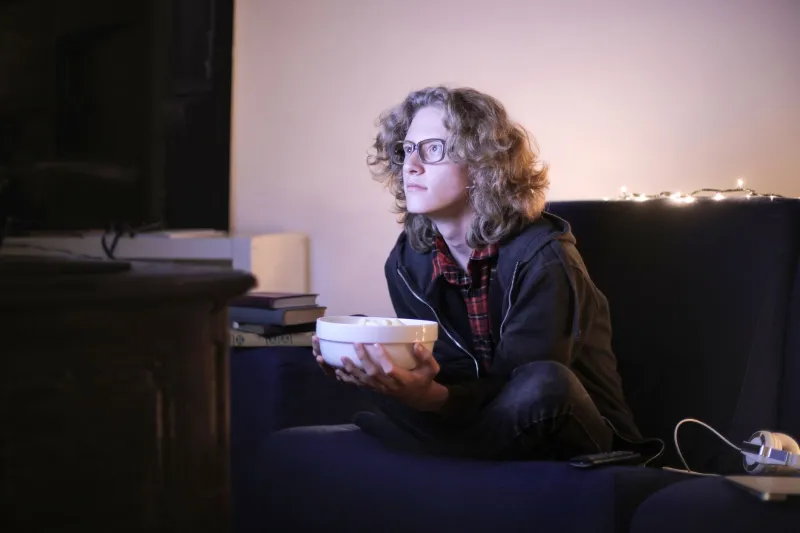
Remember when finishing a series in one weekend was a badge of honor? You'd clear your Saturday, order a pizza, and emerge twelve hours later blinking at the sunlight like you'd just survived something. For years, that was the whole point of streaming — the promise that you never had to wait for anything ever again.
Well, the hangover has arrived. And honestly? A lot of us are over it.
The Binge Bubble Popped
Somewhere between the fourth autoplay of the night and the creeping dread of a 400-title watchlist, something shifted. Viewers started noticing that racing through a season didn't feel like pleasure — it felt like consumption. You finish the show, the credits roll on the finale, and instead of satisfaction, you get this strange emptiness. The entertainment equivalent of eating an entire bag of chips in the car.
The numbers back up the vibe. Engagement surveys keep showing that a growing share of American streamers now prefer weekly releases for big-ticket originals, and the most-discussed shows of the past couple of years — the ones dominating group chats and Monday-morning water cooler talk — were almost all doled out episode by episode. Turns out the wait wasn't the enemy. The wait was the seasoning.
Savoring Is the New Flexing
Scroll through TikTok or X after any major weekly drop and you'll see it: reaction videos, episode breakdowns, frame-by-frame theory crafting. Fans are building rituals around single episodes the way sports fans build Sundays around kickoff. There's even a whole micro-genre of "slow-watch" content, where creators commit to one episode of a classic series per week — some are still working through prestige dramas that wrapped years ago, and audiences are eating it up.
This isn't nostalgia for old-school network TV, exactly. It's something more interesting: viewers discovering that anticipation is part of the product. When you stretch a season across two months, the show stops being a thing you consume and becomes a place you live. Characters get room to breathe in your imagination. Theories get room to marinate. The finale lands with actual weight because you didn't sprint past everything leading up to it.
Why the Binge Broke Our Brains
Part of the fatigue is sheer volume. The average American now juggles multiple subscriptions and a backlog that could outlive us all. When every platform is screaming "watch me next," finishing anything quickly just dumps you back into the void of choosing. The binge stopped feeling like freedom and started feeling like a treadmill.
There's also a social cost. Full-season drops created a weird paradox: everyone could watch at once, but nobody watched together. If you talked about episode seven while your friend was still on episode two, you were the villain. Weekly releases fixed that by giving everyone the same episode to chew on at the same time. Discussion became the point again — and discussion is what turns a show into a cultural moment instead of a weekend blip.
What Platforms Should Take From This
Here's the uncomfortable truth for streamers: the binge model was never really about viewer happiness. It was about retention math — hook someone with episode one, keep them auto-playing through episode eight, and hope they forget to cancel. That math still works, but it's increasingly at odds with how audiences actually want to experience prestige storytelling.
The smart play is flexibility, not dogma. Weekly releases for flagship originals. Binge drops for comfort-watch reality formats and comedies where momentum is the appeal. Maybe even experiments in between — two-episode premieres followed by weekly rollouts have become a nice hybrid that respects both impatience and anticipation.
And for the writers' room? Design for the week-long gap. Plant cliffhangers that reward speculation instead of punishing it. Trust that a viewer who sits with your episode for seven days is more invested, not less, than one who blinked through it.
The Slow Future
None of this means binge-watching is dead. Some nights, you want the whole season, the pizza, and the darkness. But the monoculture of the binge is over, and what's replacing it is healthier: shows as ongoing relationships rather than one-night stands.
The platforms that figure that out first — the ones that stop treating attention like something to be drained and start treating it like something to be earned — are the ones that'll win the next decade. The rest of us will be over here, one episode a week, actually enjoying it for once.